 Thales | Security for What Matters Most
More About This Author >
Thales | Security for What Matters Most
More About This Author >
Thales | Security for What Matters Most
More About This Author >
Thales | Security for What Matters Most
More About This Author >
Data is the fuel powering all AI, yet not all data is reliable. Data sets made up of embedded biases or uncontrolled sensitive information can put innovation at risk. For this reason, the EU AI Act puts data governance at the center stage of compliance, particularly when high-risk AI systems are concerned.
Organizations need to show control over their data. This is no longer optional. However, in dispersed business and IT environments, data moves between on-premises servers, multiple clouds, and SaaS platforms. At the same time, shadow datasets, fragmented access, and inconsistent policies create blind spots.
The 2025 Cloud Security Alliance (CSA) survey report "Understanding Data Security Risk" shows that a whopping 80% of respondents lack confidence in identifying high-risk data sources. Another 31% lack tools to identify their riskiest data sources. Alarmingly, 22% don’t even know if they have such tools.
Without visibility, compliance is uncertain.
Data Security Posture Management (DSPM) provides the much-needed clarity. It discovers sensitive data, monitors its use, safeguards credentials, and evaluates risks. Organizations gain a complete view of their data estate, which allows AI models to rely on secure, compliant, and reliable datasets.
The EU AI Act emphasizes accountability, transparency, and data quality. Non-compliance comes with steep penalties, making AI Act data governance a strategic imperative. DSPM provides the insight and control firms need to limit risk, maintain compliance, and deploy AI responsibly.
What the AI Act Requires Around Data Governance
The AI Act emphasizes that risk begins with the data itself. High-risk AI systems face clear data governance demands.
- Data quality and integrity. Training sets must be relevant, representative, and error-free. Biases or inaccuracies don’t just weaken outcomes; they create liability in decision-critical AI.
- Transparency. Organizations need to be able to trace data lineage, to show which datasets were used and how they were processed.
- Risk management. Controls must prevent bias, leakage, and misuse of sensitive data. The Act expects foresight, not reaction.
- Accountability. Compliance has to be proven with auditable records. Regulators want clear evidence that governance is not just promised but practiced.
Meeting these standards is no small task. More than half of entities (53%) run hybrid cloud environments, while over a quarter (27%) operate across multiple clouds. That fragmentation makes tracking, classification, and access control far harder. Add the speed of automated AI pipelines, and the risk of non-compliant datasets slipping in grows.
The answer is a unified way to secure, monitor, and document data use; consistently, across every environment.
The Role of DSPM in Meeting AI Act Requirements
Data Security Posture Management (DSPM) solutions play a vital role in helping organizations comply with the EU AI Act by ensuring continuous visibility, control, and protection of sensitive data used across AI systems. By automatically discovering and classifying data, whether structured or unstructured, DSPM helps organizations identify where regulated or high-risk data resides, who has access to it, and how it’s being used in AI models. This insight enables compliance with the Act’s requirements for data governance, transparency, and accountability, ensuring AI systems are built and operated on secure, trustworthy data foundations.
DSPM’s framework revolves around five key questions that all align with AI Act compliance requirements:
Where is my sensitive data?
Discovery ensures AI models do not ingest shadow datasets or non-compliant personal data. Organizations operating in hybrid clouds often have data scattered across multiple environments. The survey shows 31% lack tools to identify their riskiest data sources, and 12% are unsure.
DSPM finds structured and unstructured data across on-premises, cloud, and SaaS environments. Full visibility into data lineage helps teams ensure datasets are relevant, representative, and error-free, so AI models aren’t fed incomplete or restricted data.
Who has access to my sensitive data?
Access governance prevents unsanctioned users from touching training data. Manual monitoring is tough with complex roles, and attribute-based controls, but DSPM tracks permissions, flags risky access, and enforces strict authorization policies across systems. The survey says 54% of firms use four or more tools to manage data risks, creating inefficiency and siloed information, yet only 21% have adopted DSPM solutions.
How well are credentials protected?
Encryption keys and secrets unlock sensitive data. Left unchecked, they can easily become attack vectors. DSPM centralizes key management, rotates secrets automatically, and enforces separation of duties, which blocks any backdoor access to AI training data. By controlling credentials rigorously, organizations reduce the likelihood of stolen credentials being used in breaches or other malicious activity.
How has my data been used?
Usage monitoring enables transparency and accountability. DSPM tracks when, where, and by whom data is accessed, creating verifiable logs for auditors, regulators, and internal compliance teams. This not only satisfies the AI Act’s call for traceable data lineage but also helps detect unusual activity (from insider misuse to AI-related anomalies) making sure ensuring governance is proven, not just promised.
What is the security posture of my data stores?
Risk assessments keep AI models honest, feeding them only clean, secure datasets. DSPM scans configurations, identifies weak points, and scores them against standards like CVSS. Teams can prioritize remediation, addressing exposures before they escalate. In complex, multi-cloud environments, this continuous evaluation limits liability and helps entities demonstrate compliance at every stage.
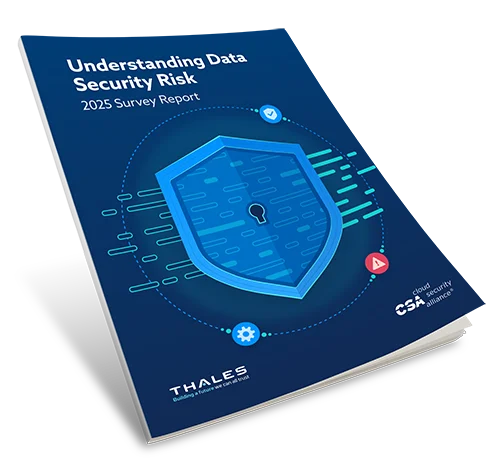
80%
of respondents do not feel highly confident in their ability to identify high-risk data sources
– Cloud Security Alliance: Understanding Data Security Risk 2025
DSPM as the Backbone of AI Security and Compliance
DSPM doesn’t just answer five questions. It anchors governance and security in one place. Its strength lies in a few critical functions:
- Data provenance tracking. Automated lineage reports trace every dataset entering an AI pipeline. That history is your proof of transparency when regulators ask.
- Automated classification. Sensitive data (PII, regulated records, business-critical content) is flagged before it can slip into a model. Exposure is stopped at the gate.
- Policy enforcement. Security rules integrate directly into workflows, blocking non-compliant datasets from training or inference runs.
- Reporting and auditing. Centralized dashboards and records show compliance clearly, cutting down the time and effort teams spend proving it.
A centralized, automated approach addresses a key pain point: Many organizations surveyed rely on several different tools for risk management. DSPM consolidates visibility, risk assessment, and governance into a single platform.
Beyond Compliance: Building Trusted AI with DSPM
Meeting AI Act requirements is just the baseline. DSPM also supports building AI systems that are resilient, ethical, and trusted.
- Resilient AI: Continuous monitoring of data and credentials limits the risk of shadow AI, insider misuse, and exposure from emerging threats like quantum computing.
- Ethical AI: Automated data classification and lineage reporting help prevent bias and produce high-quality training datasets.
- Consumer trust: Transparent AI pipelines, supported by auditable DSPM logs, reinforce accountability and strengthen confidence in AI outputs.
- Future-proof security: DSPM prepares organizations for evolving threats. Monitoring, encryption, and proactive credential management address shadow AI, generative AI risks, and post-quantum challenges.
In short, DSPM can turn compliance obligations into an operational advantage. Firms can confidently deploy AI systems, comfortable in the knowledge that governance and security are baked into the data lifecycle.
Know Your Data
The EU AI Act makes clear that knowing your data is the foundation of compliance. Visibility, control, and governance have moved from optional to mandatory. Shadow datasets, fragmented access, and unsecured credentials are liabilities.
Data Security Posture Management (DSPM) bridges the gap between security, compliance, and AI trust. It discovers sensitive data, monitors usage, protects credentials, assesses risk, and enforces policies. DSPM ensures that AI models are trained on compliant, secure, and high-quality datasets.
For organizations seeking AI Act compliance, DSPM is so much more than just another security tool. It is the backbone of responsible AI deployment. With Thales CipherTrust DSPM, businesses gain a single platform to secure data, maintain governance, and build trust in AI outcomes.
Discover how Thales DSPM can help your organization meet AI requirements.
Analyst Research
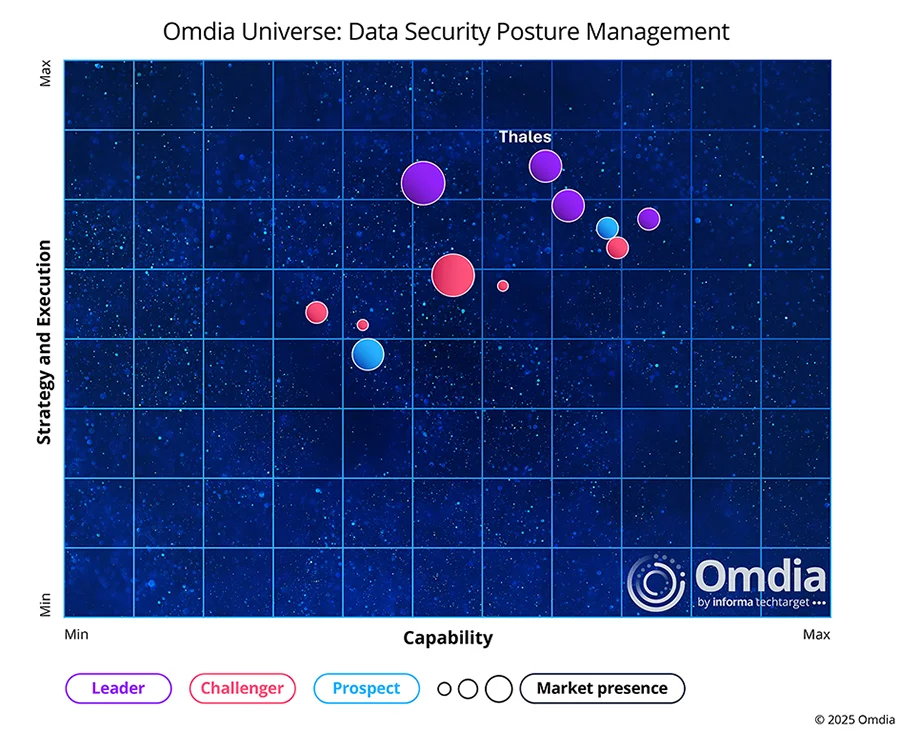
Thales eclipses other DSPMs
See why we’re a leader in the Omdia Universe Report